The Leading Food Packaging Solutions / Importer and Manufacturers Representative

Eco friendly Sustainability Recyclability
Who we are

We take pride in being a leader in eco-friendly takeout packaging, with 28 years of experience in the making. We understand the importance of sustainable solutions for the food industry and have dedicated ourselves to developing innovative packaging that reduces environmental impact.
Our eco-friendly takeout packaging options are thoughtfully designed using renewable and compostable materials, ensuring that every meal can be enjoyed with peace of mind. But we don’t stop there – we love customizing packaging to meet your unique needs and reflect your brand identity. Whether it’s personalized designs, logos, or special features, we work closely with you to create packaging that stands out and aligns perfectly with your vision.
Join us in embracing a greener future with togotainer’s eco-friendly takeout packaging solutions, tailored just for you.
Our Products
FIBER
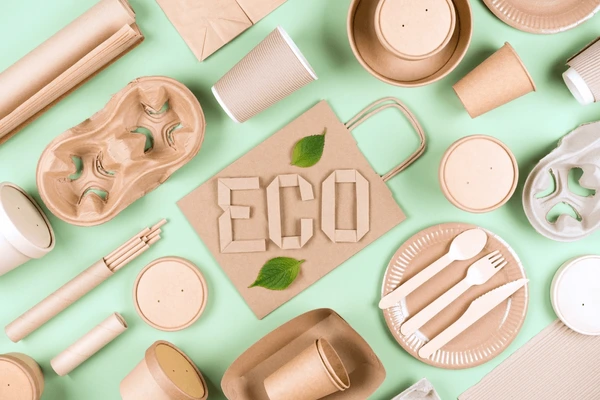
Fiber food packaging containers are made from plant-based materials like paper, cardboard, or molded fiber. These materials are often derived from renewable sources such as wood pulp, sugarcane, or bamboo. Fiber packaging is commonly used for takeout boxes, trays, cups, and bowls.
Advantages:
- Eco-friendly: Often biodegradable, compostable, and recyclable.
- Lightweight and durable: Easy to carry while offering good protection for food.
- Customizable: Can be designed for various shapes, sizes, and branding purposes.
Drawbacks:
- Not always moisture-resistant unless treated with coatings or liners, which may affect recyclability.
- Typically less durable than plastic for long-term use.
Fiber-based packaging is gaining popularity as a sustainable alternative to plastic.

PAPER
Paper food packaging containers are made primarily from paper-based materials like kraft paper, cardboard, or paperboard. These containers are widely used for food storage, transportation, and serving in forms such as takeaway boxes, sandwich wraps, coffee cups, or paper trays.
Advantages:
- Eco-friendly: Often recyclable, biodegradable, and compostable, making them a greener choice.
- Lightweight and sturdy: Easy to handle and strong enough to hold food securely.
- Customizable: Can be printed with designs, logos, or instructions.
Challenges:
- Moisture and grease resistance: Often require coatings (e.g., wax or biodegradable liners), which may affect their recyclability.
- Durability: Less robust compared to plastic for long-term storage or very heavy foods.
Paper packaging has grown in popularity as people and businesses look for sustainable alternatives to plastic.
PLASTIC
Plastic food packaging containers are widely used materials to store, transport, and preserve food. They come in various forms, such as:
- Rigid containers: Tubs, bottles, jars, and trays often made from materials like polypropylene (PP), polyethylene terephthalate (PET), or polycarbonate (PC).
- Flexible packaging: Includes wraps, bags, and pouches made from polyethylene (PE), polyvinyl chloride (PVC), or laminates.
- Single-use containers: Items like clamshells or disposable plates often crafted from polystyrene (PS) or foam.
Their key benefits include durability, light weight, resistance to moisture, and the ability to create airtight seals to prolong shelf life. However, concerns around their environmental impact—like waste accumulation and microplastic pollution—have driven interest in alternatives such as biodegradable or reusable options.


ALUMINUM
Aluminum food packaging containers are widely used in the food industry for storing, transporting, and preserving food. Made primarily from aluminum, they are lightweight, durable, and resistant to corrosion. These containers are often used for packaging ready-to-eat meals, take-out food, baked goods, or perishable items.
Some key features of aluminum food packaging containers include:
Versatility: They come in various sizes and shapes, including trays, pans, and foil wraps.
Recyclability: Aluminum is 100% recyclable, making it an eco-friendly choice for food packaging.
Heat Resistance: They can withstand high temperatures, making them suitable for oven baking or reheating.
Barrier Properties: Aluminum effectively blocks light, oxygen, and moisture, which helps preserve food quality and extend shelf life.
WOOD & BAMBOO
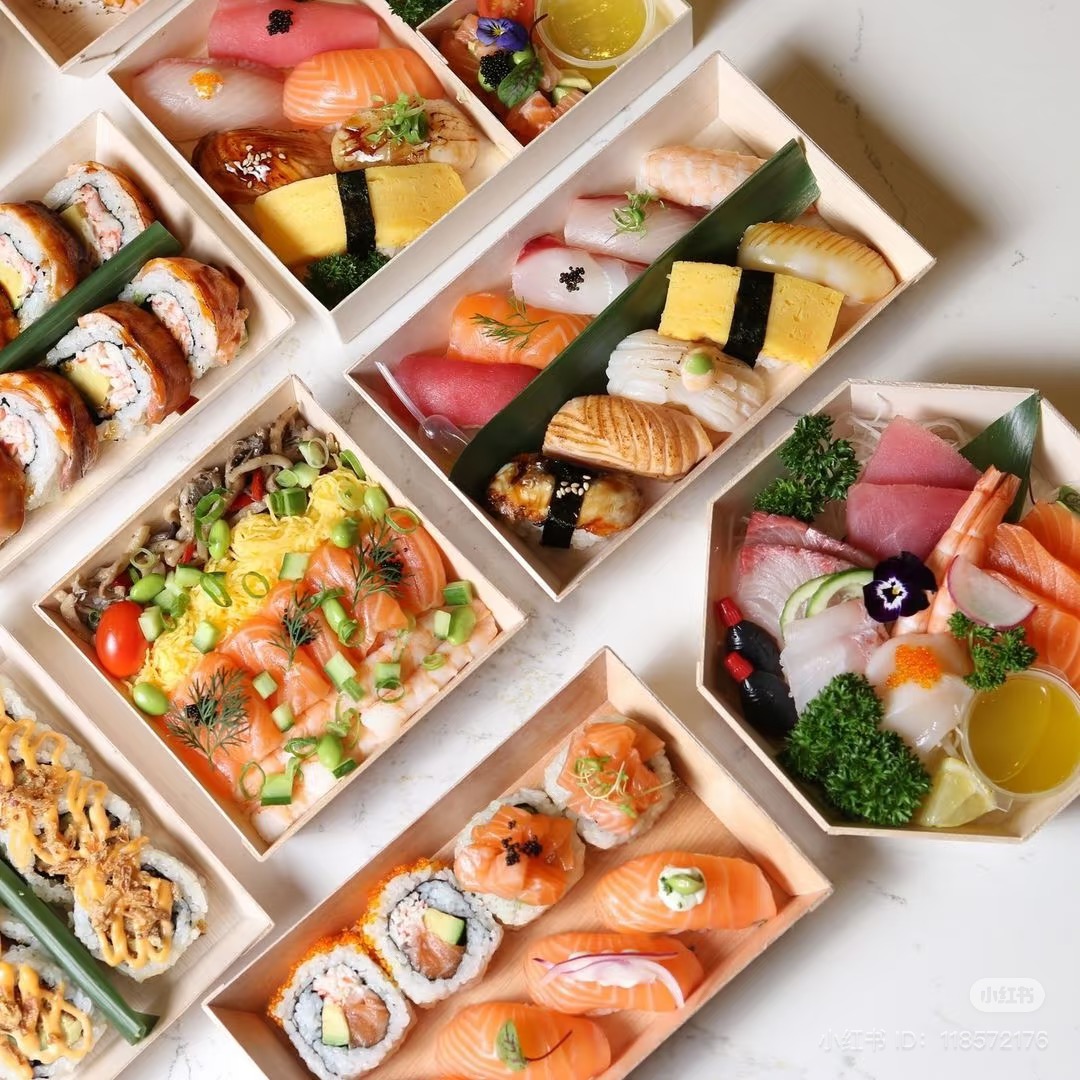
Wooden food packaging containers are eco-friendly and versatile options for storing and transporting food. They are often made from natural wood materials, which are biodegradable and sustainable. These containers come in various forms, such as lunch boxes, bento boxes, trays, and jars, and are used for purposes like picnics, takeout, or food storage.
Wooden containers are appreciated for their aesthetic appeal, durability, and ability to keep food fresh. They are also popular for their low environmental impact compared to plastic packaging. Some wooden containers are designed for specific uses, such as cooking or heating food, and can withstand high temperatures

CUSTOMIZATION
Lorem ipsum dolor sit amet, consectetur adipiscing elit. Sed felis felis, ultrices et molestie semper, tincidunt non augue. Mauris nec laoreet lorem, sit amet porttitor nunc.